Scroll
Scroll
Scroll
Press & Interviews
[PHILLIPS COLLECTION]
Centennial Commission
[N.C. DEPARTMENT OF NATURAL AND CULTURAL RESOURCES]
“Divinity” at North Carolina Museum of Art
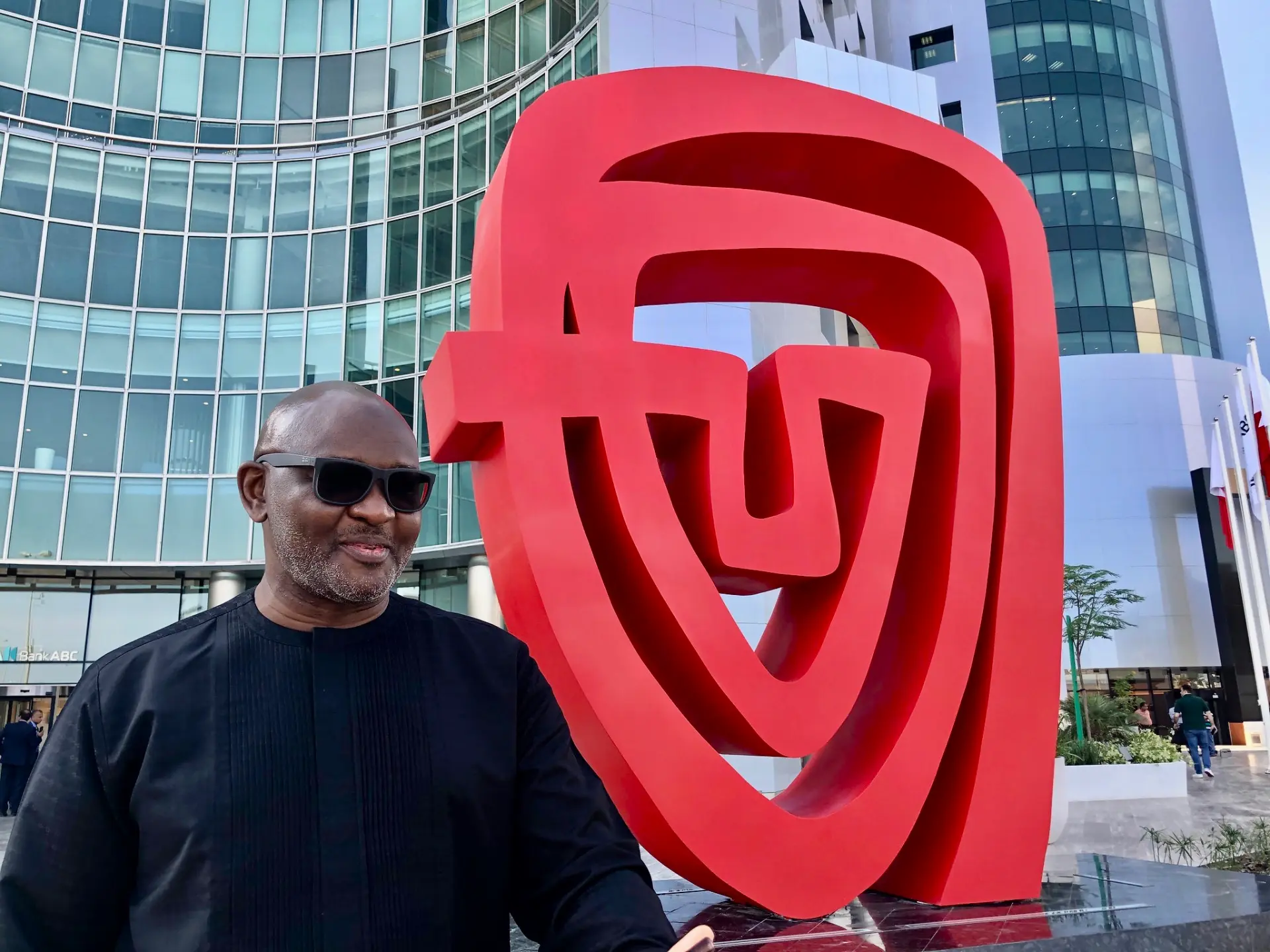
[BANK ABC]
Unveiling of “The Face”, at Bank ABC in Bahrain
[ART IN EMBASSIES]
3 QUESTIONS DIGITAL SERIES
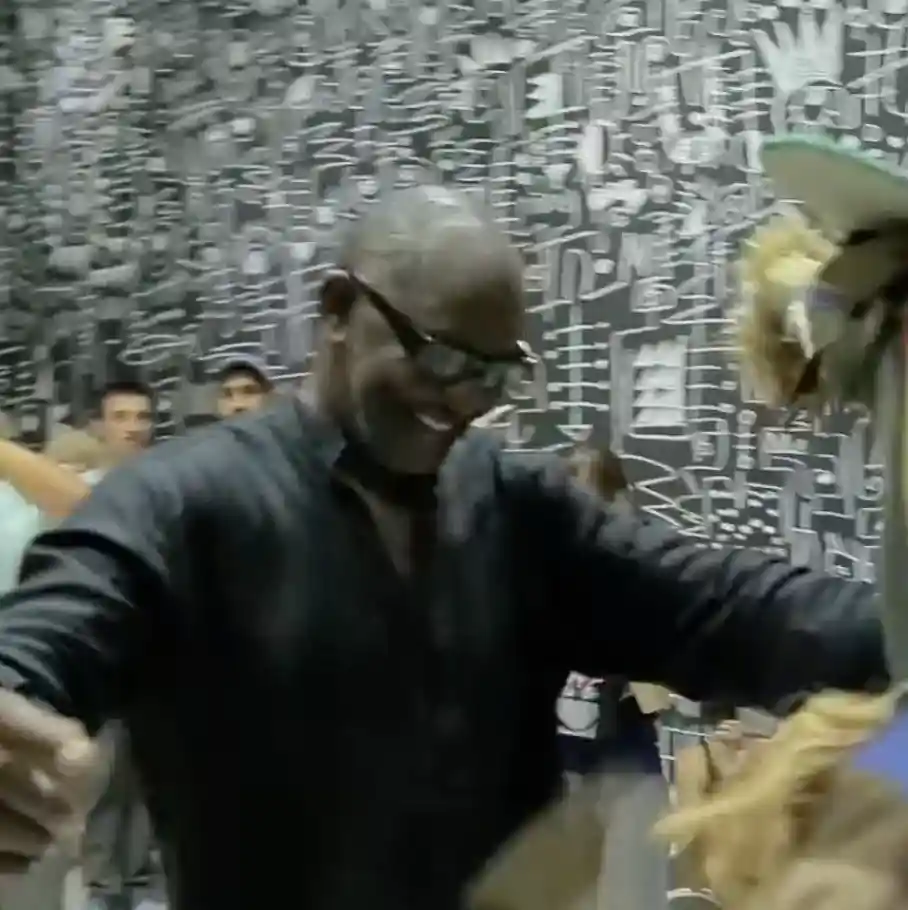
[HAVANA BIENNIAL]
"MEDITATION ON MEMORY
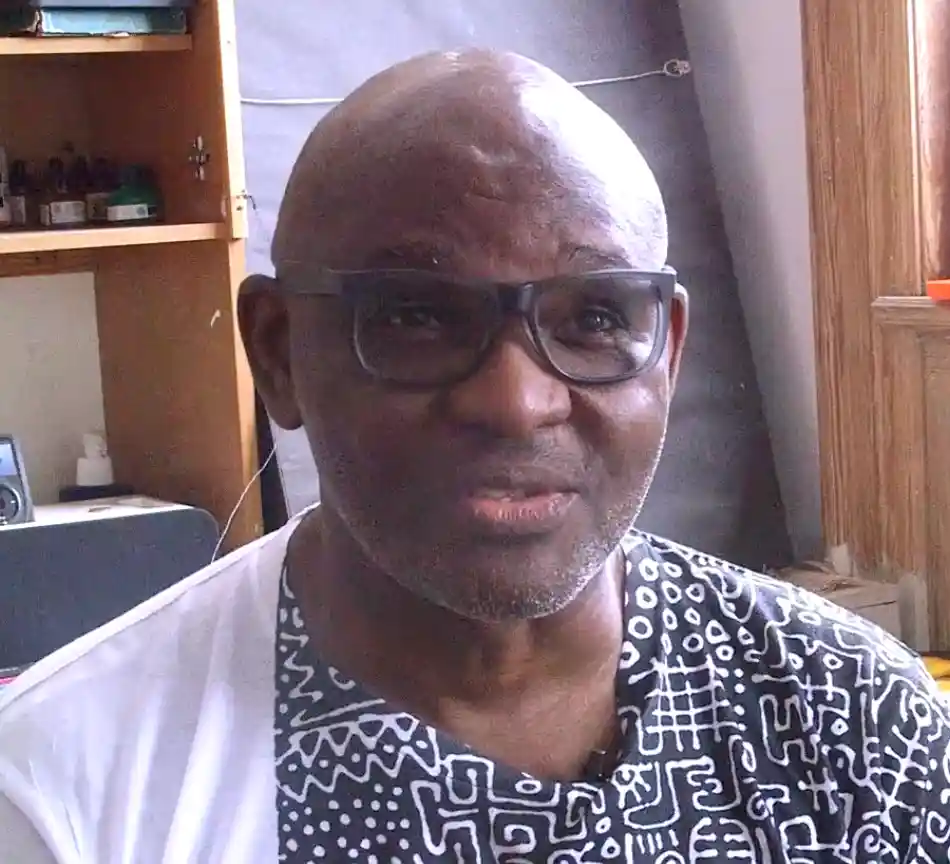
[INSIDER]
This artist spends weeks making murals out of chalk
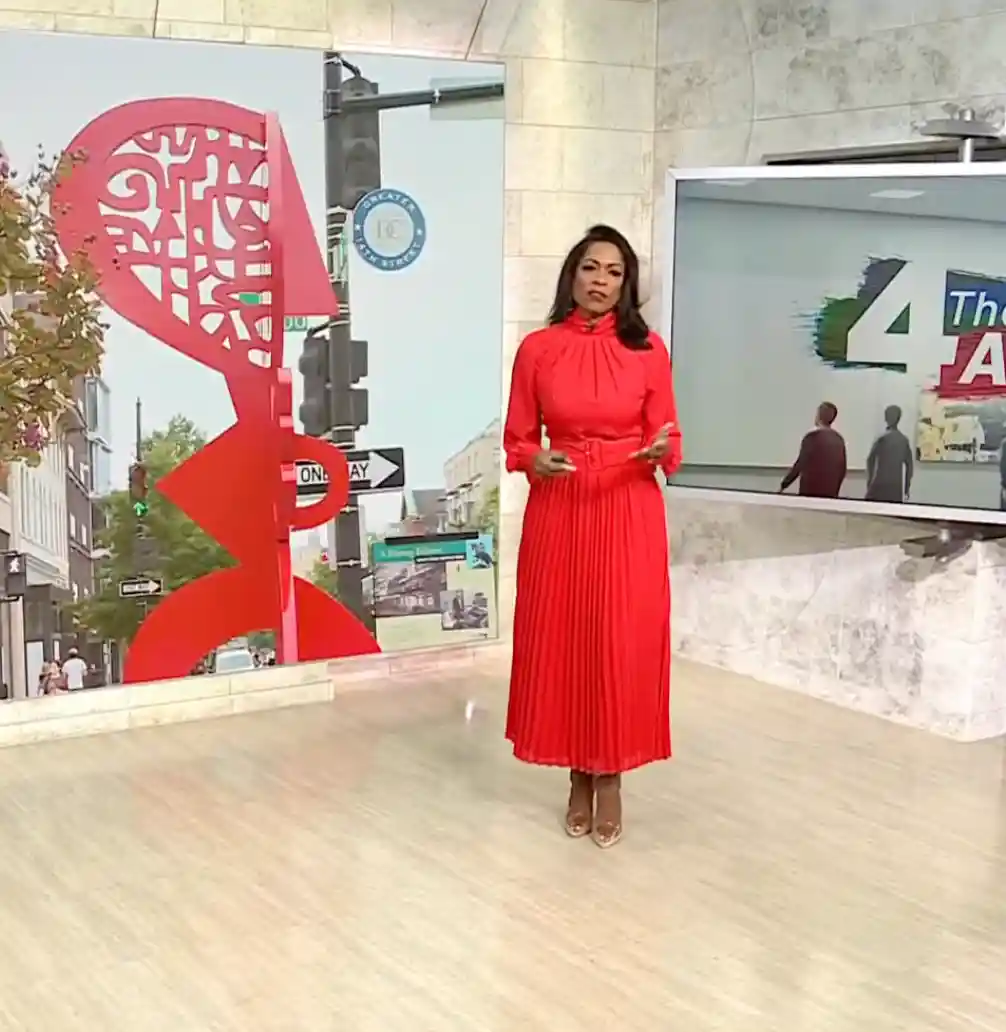
[NBC4]
Artist tells story behind huge red sculpture in Logan Circle | NBC4 Washington
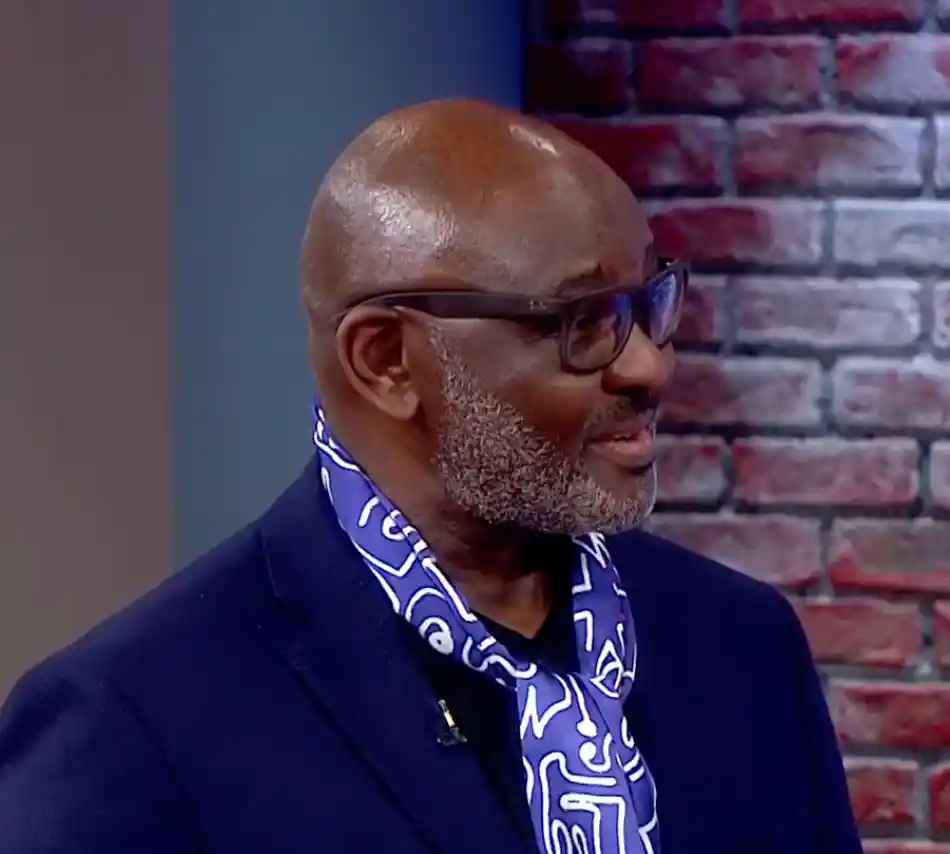
[WUSA9]
Where to see renowned artist, Viktor Ekpuk's work in DC
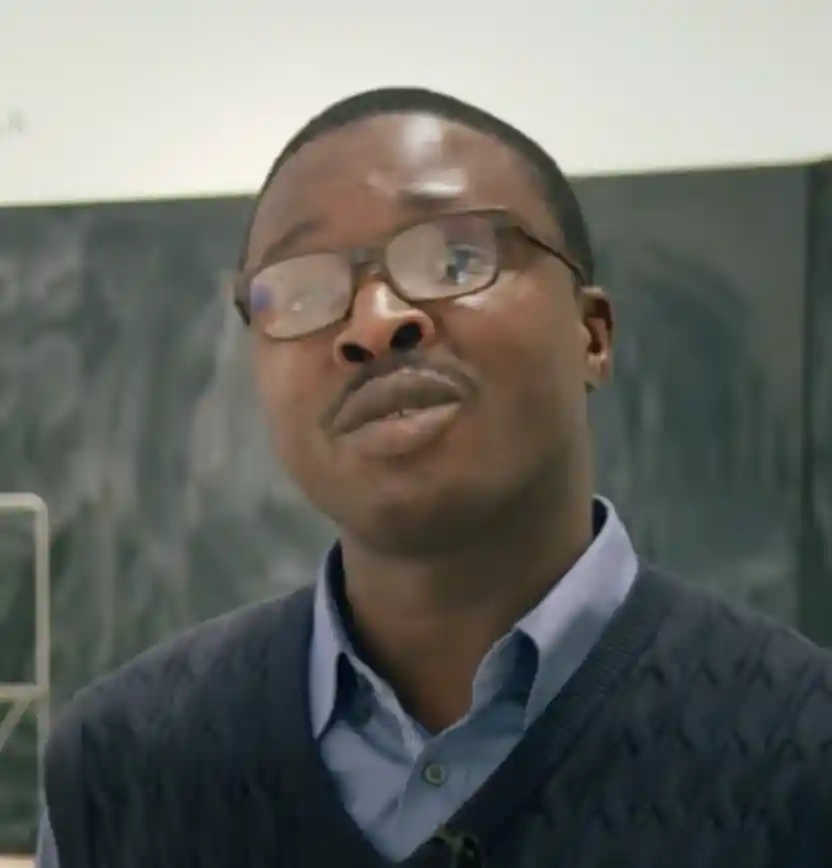
[HOOD MUSEUM]
The Erasure of Victor Ekpuk’s Wall Drawing
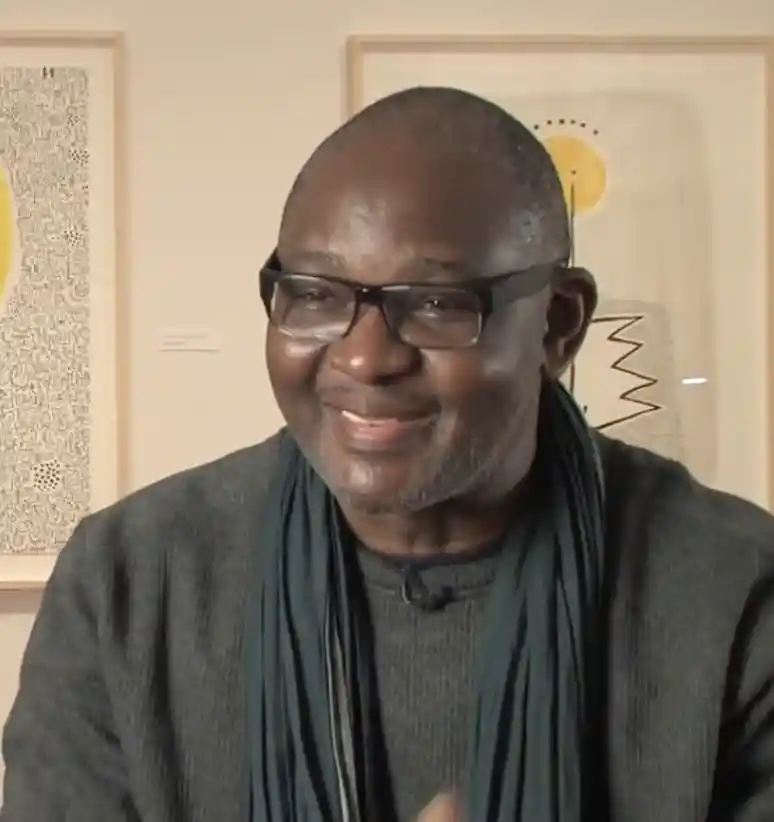
[KANNERT ART MUSEUM]
Postscripts: The Art of Victor Ekpuk
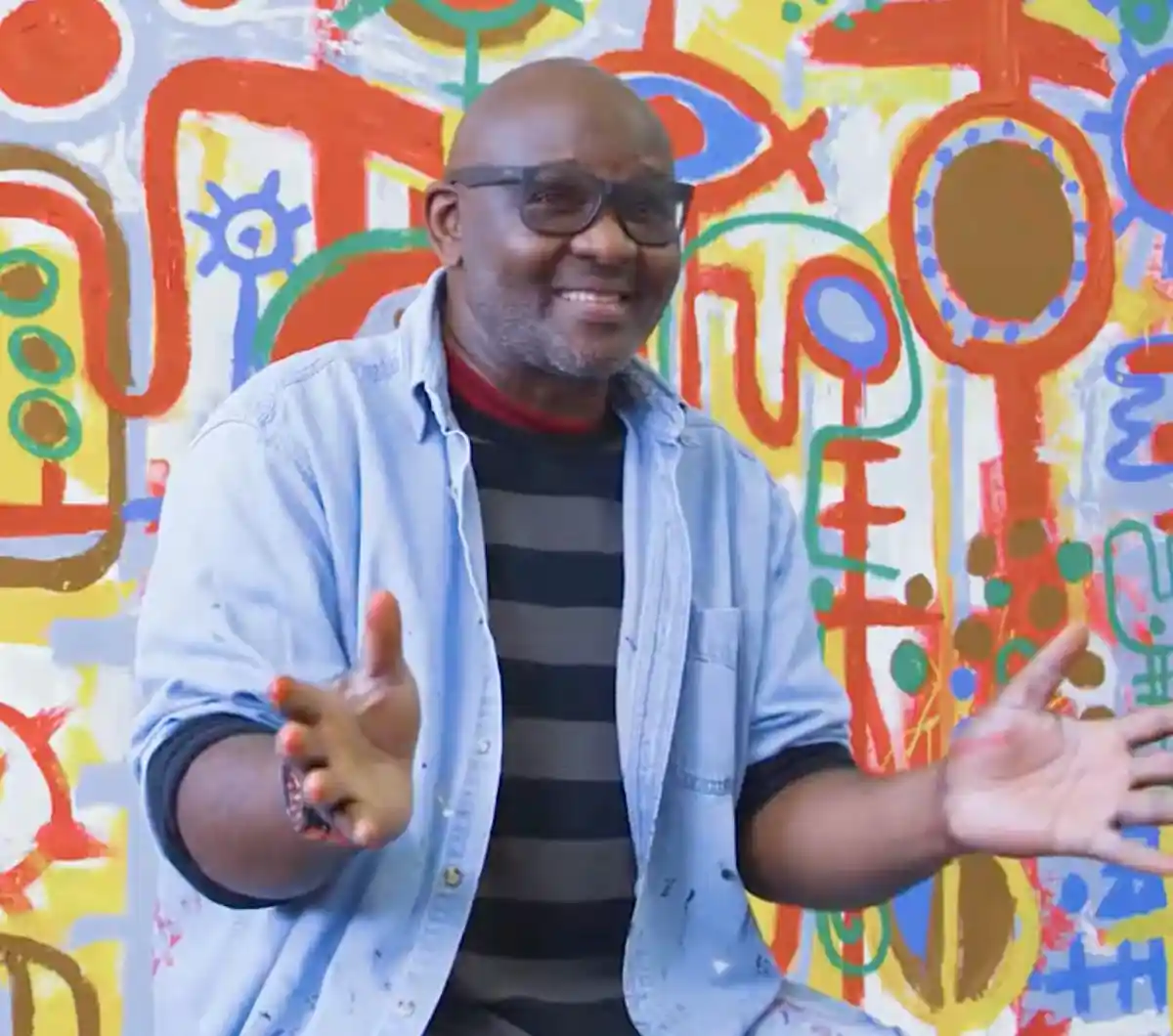
[ORGANIZATION NAME]
Art Life Life / Art Victor Ekpuk
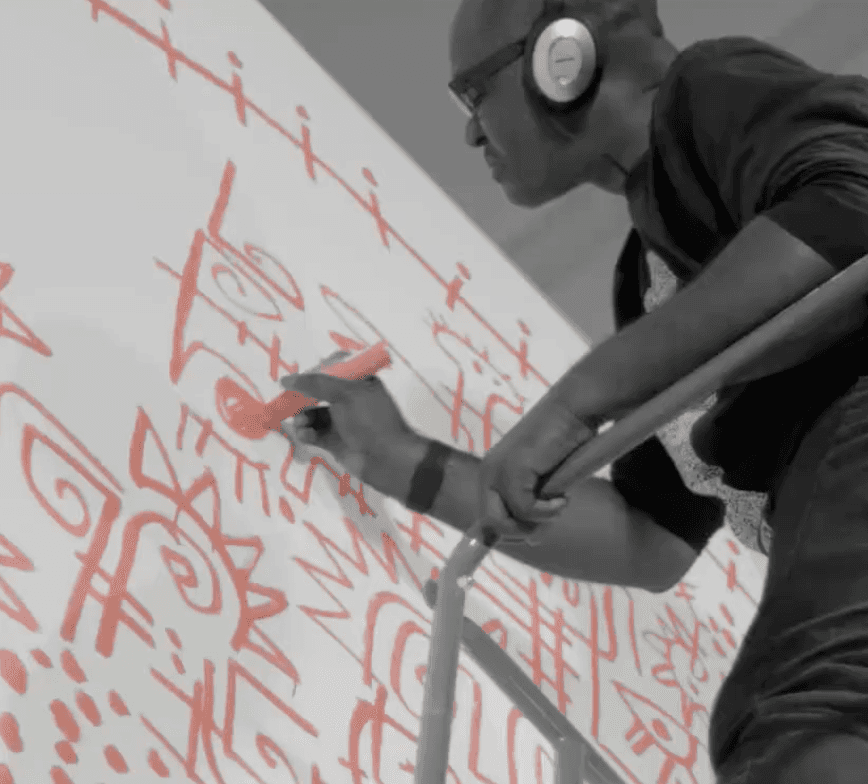
[ARKANSAS MUSEUM OF FINE ARTS]
"Ode to Joy"
[WREG NEWS CHANNEL 3]
Visiting Artist Victor Ekpuk Paints New Mural for Brooks Museum
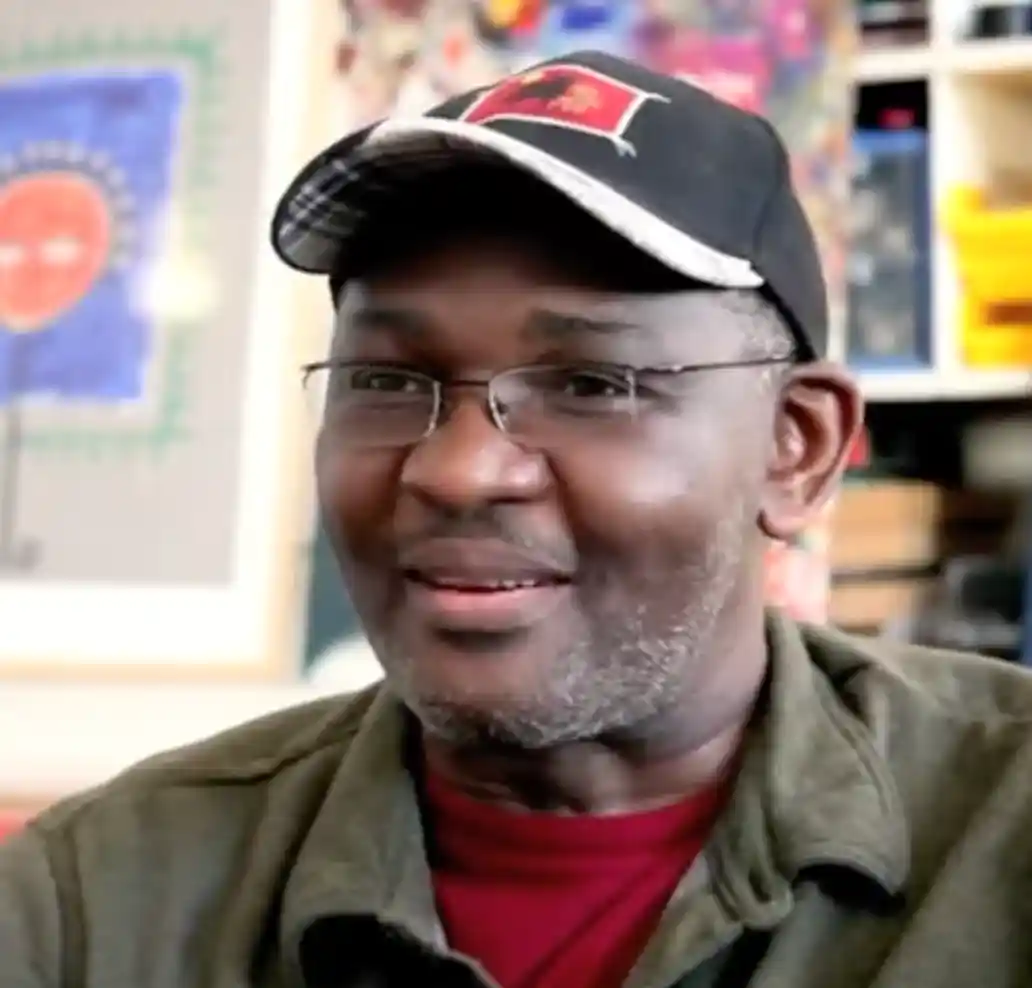
Victor Ekpuk discusses "Mickey On Broadway"
Excerpts from Scholars
Excerpts from Scholars
"Nigerian artist Victor Ekpuk tests the limits of this afro-modernist heritage, even as it shows new possibilities of afrological aesthetics in the age of globalization..."
– Chika Okeke-Agulu PhD.
"In two decades of professional practice, [Ekpuk] has developed a deeply personal graphic language, an esoteric script that echoes the closely guarded secret script of nsibidi that was his initial source of ideas and ideographs."
– Sylvester Ogbechie, PhD.
"Ekpuk invites the viewer to follow the pulsating rhythms of the meditative process and to share in his experience(s) momentarily..."
– Ugochukwu-Smooth Nzewi, PhD.
"For Ekpuk, the impermanent, unstable nature of his wall drawings attests to the contingent and transitory nature of memory and the identities it informs and prompted him to reflect on his own personal history."
– Allyson Purpura, PhD.
"Ekpuk turns the viewer into a seeker, an analyst, a decoder and an image reader. One cannot help but take a closer look at the forms and try to un- ravel and ‘deconstruct’ them."
– Adérónké Adésolá Adésànyà PhD.
"Choreography, ephemerality, gesturing, and body postures, all tied to the passing moment of improvisation and mutation, are crucial to the understanding of Ekpuk’s confrontation with mnemonic values that he ties down albeit as a temporary experience, with calligraphic markings."
– Moyo Okediji, PhD.
"Through art, Victor Ekpuk’s visual voice challenges national issues and social injustices at global and local levels with an engagement of indigenous aesthetics."
— Andrea E. Frohne, PhD.
"Ekpuk’s art becomes an investigation of the past to enquire into the future."
— Toyin Falola, PhD.
"If the initial source is ancient Ejagbam- Efik-Ibibio-Igbo insibidi, its modern manifestation and rebirth in Ekpuk’s lines and signs represent an unusual phenomenon: he turns them into a sort of architectural model, ensuring that structures neither rupture nor collapse."
— Toyin Falola, PhD.
"Ekpuk’s “inventive writings” have an historical foundation in nsibidi script and pantomiming (that is, the physical performance of the ideograms), but then, Ekpuk marries these sacred forms to, both, his own sense of design, and the raw, indomitable, spiritual energy that fuels the creation of each work—the energy that takes the original nsibidi characters and riffs off of them, spinning and transforming them into new pulsations and reverberations."
— Dr. Imo Nse Imeh
"Assumptions that the art world works on two polarities are facile. Many artists function on multiple levels — as illustrators of commissioned genres and as artists who produce because they are spurred by the muse; as explorers of unrestrained emotions with the sole aim of satisfying their creative urge, unencumbered by any desire to meet deadlines."
— dele jegede, PhD.
"Ekpuk ultimately masters a dance where visual marks (performed and written) dominate other systems of communication reliant upon utterances and words."
— Amanda Carlson, PhD.
"…For him, “Wailing Woman” is not only political, but also personal as there are thousands of mothers who have lost sons to violence."
— Andrea E. Frohne, PhD.
"Nigerian artist Victor Ekpuk tests the limits of this afro-modernist heritage, even as it shows new possibilities of afrological aesthetics in the age of globalization..."
– Chika Okeke-Agulu PhD.
"In two decades of professional practice, [Ekpuk] has developed a deeply personal graphic language, an esoteric script that echoes the closely guarded secret script of nsibidi that was his initial source of ideas and ideographs."
– Sylvester Ogbechie, PhD.
"Ekpuk invites the viewer to follow the pulsating rhythms of the meditative process and to share in his experience(s) momentarily..."
– Ugochukwu-Smooth Nzewi, PhD.
"For Ekpuk, the impermanent, unstable nature of his wall drawings attests to the contingent and transitory nature of memory and the identities it informs and prompted him to reflect on his own personal history."
– Allyson Purpura, PhD.
"Ekpuk turns the viewer into a seeker, an analyst, a decoder and an image reader. One cannot help but take a closer look at the forms and try to un- ravel and ‘deconstruct’ them."
– Adérónké Adésolá Adésànyà PhD.
"Choreography, ephemerality, gesturing, and body postures, all tied to the passing moment of improvisation and mutation, are crucial to the understanding of Ekpuk’s confrontation with mnemonic values that he ties down albeit as a temporary experience, with calligraphic markings."
– Moyo Okediji, PhD.
"Through art, Victor Ekpuk’s visual voice challenges national issues and social injustices at global and local levels with an engagement of indigenous aesthetics."
— Andrea E. Frohne, PhD.
"Ekpuk’s art becomes an investigation of the past to enquire into the future."
— Toyin Falola, PhD.
"If the initial source is ancient Ejagbam- Efik-Ibibio-Igbo insibidi, its modern manifestation and rebirth in Ekpuk’s lines and signs represent an unusual phenomenon: he turns them into a sort of architectural model, ensuring that structures neither rupture nor collapse."
— Toyin Falola, PhD.
"Ekpuk’s “inventive writings” have an historical foundation in nsibidi script and pantomiming (that is, the physical performance of the ideograms), but then, Ekpuk marries these sacred forms to, both, his own sense of design, and the raw, indomitable, spiritual energy that fuels the creation of each work—the energy that takes the original nsibidi characters and riffs off of them, spinning and transforming them into new pulsations and reverberations."
— Dr. Imo Nse Imeh
"Assumptions that the art world works on two polarities are facile. Many artists function on multiple levels — as illustrators of commissioned genres and as artists who produce because they are spurred by the muse; as explorers of unrestrained emotions with the sole aim of satisfying their creative urge, unencumbered by any desire to meet deadlines."
— dele jegede, PhD.
"Ekpuk ultimately masters a dance where visual marks (performed and written) dominate other systems of communication reliant upon utterances and words."
— Amanda Carlson, PhD.
"…For him, “Wailing Woman” is not only political, but also personal as there are thousands of mothers who have lost sons to violence."
— Andrea E. Frohne, PhD.